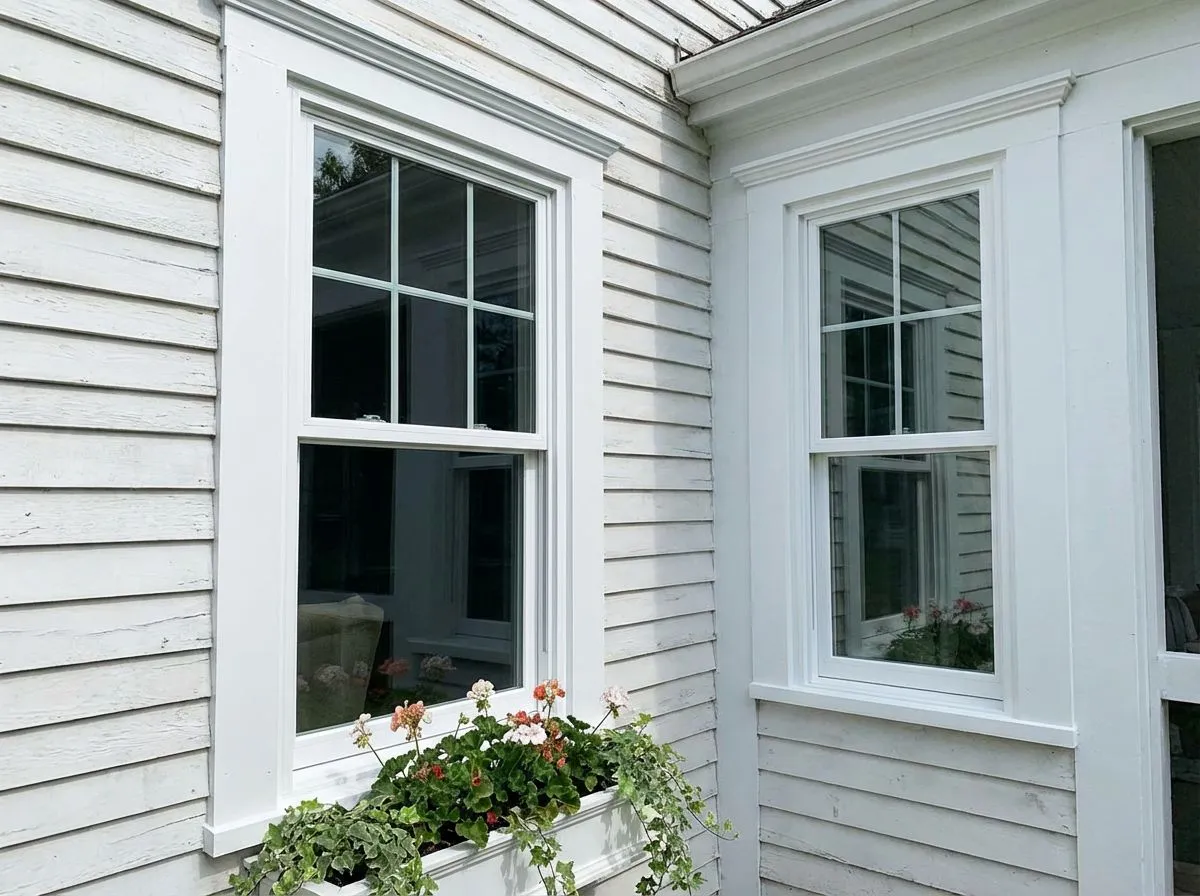
Double-Hung Windows in Central CT
Two sashes that slide, tilt, and lock again. Replaced across central Connecticut as inserts or full-frame units, depending on what your frames need.
The Window Most Connecticut Houses Were Built Around
Double-hung windows are the default on most houses around East Hampton, CT: two sashes in one frame, the lower one raised for air, the upper one dropped to vent heat near the ceiling. When they fail, the house gets drafty, the glass fogs, and the sash will not stay up. We replace them, start to finish.
- Each opening measured, units ordered to those numbers
- Old sashes and frames out, new windows in
- Insulated, flashed, and trimmed
- Insert or full-frame, based on the condition of your frame
Double-Hung and Single-Hung Windows We Install
Two sash configurations, three frame materials, and glass chosen for a Connecticut heating season. We help you sort out which combination fits each opening.

Double-Hung Windows
Both sashes move and tilt in for cleaning from inside. Balances hold the sash where you leave it, and weatherstripping on four sides seals the gaps old windows leak through.

Single-Hung Windows
Looks like a double-hung from the street, but only the lower sash moves. Fewer moving parts, fewer places for air to pass. Good for openings you rarely vent from above.

Vinyl, Fiberglass, and Wood-Clad Frames
Vinyl needs no painting and insulates well. Fiberglass is stiffer, holds paint, and allows a narrower frame with more glass. Wood-clad puts real wood inside behind a protected exterior.

Glass and Grille Options
Double- or triple-pane low-E glass with a gas fill is the usual choice here. Grilles go between the panes, on the surface, or not at all, matched to windows you keep.
Double-Hung Windows in Connecticut Houses
Walk down almost any street in central Connecticut and you will see double-hungs. The style has barely changed in two centuries. What has changed is how well the window seals.
- Six-over-six on the older colonials
- Six-over-one or one-over-one on the capes
- Plain one-over-one on the ranches and splits
We match grille patterns to the windows you are keeping.

How We Replace Double-Hung Windows
Window-by-Window Assessment
We look at each opening with you: frame, sill, sash operation, seal failure, and whatever shows behind the trim. Every window is measured on its own, because no two openings in an older house match.
Proposal, Selection, and Order
You get a written proposal listing each window, its frame material, glass, grille pattern, and whether it gets an insert or full-frame unit. Once you approve, we order to those measurements and schedule around delivery.
Removal and Installation
One opening at a time, so the house is never open long. Old sashes and stops come out, the frame too when called for. Each unit goes in plumb and square, insulated, flashed, and sealed.
Operation Check and Cleanup
We raise, lower, tilt, and lock every sash, check that the screens fit, and show you how the tilt latches work. Old windows and packaging leave with us. The work area is cleaned before we go.
Houses Built Before 1950
In the older houses we still find original wood sashes hanging on rope-and-pulley weights inside the jambs.
- Many have been painted shut and the ropes have rotted
- A single pane of glass is all that separates the living room from January
- The weight pockets are uninsulated voids in the wall
Here a full-frame replacement usually makes sense. Taking the frame out lets us fill the pockets and insulate the whole opening.
Windows Installed Between 1970 and 2000
The other big group is the builder-grade double-hung put in from the 1970s through the 1990s. The frames are usually sound, but the rest has given out.
- Permanent haze or condensation between the panes
- Balances that no longer hold the sash
- Weatherstripping worn flat
If the frame is square and the sill solid, an insert unit preserves your trim. A rotted sill or racked frame gets taken back to the rough opening. We tell you which one each window needs and why.
Why Homeowners Choose Us for Window Replacement

Connecticut Registered Contractor
Magee Homes is registered with the state as Home Improvement Contractor HIC.0671935 and carries liability insurance, so your window project is covered the way Connecticut requires.

The Person Who Measures Installs
Measurements are taken by the same person who will be in your house on installation day, which is the simplest way we know to make sure the windows fit.

Insert or Full-Frame, Decided Honestly
Each opening gets the approach its frame and sill call for, insert or full-frame, and the proposal explains the choice. Often it is a mix within the same house.

Respect for the House
Drop cloths down, furniture covered, one room at a time, debris out daily. Window replacement should not mean living in a construction zone.
What Our Clients Are Saying
Our best referrals come from homeowners who have been through the remodeling process with us. Here’s what they have to say about working with the Magee Homes team.


Double-Hung Window Questions
What homeowners around East Hampton, CT ask before replacing their double-hung or single-hung windows.
On a double-hung, both sashes slide and tilt in. On a single-hung, only the lower sash moves. From the street they look the same. Double-hungs are easier to clean on a second floor and vent warm air out the top. Single-hungs have one less moving joint and suit openings you only open from the bottom.
It depends on the existing frame. If it is square, the sill is solid, and the casing is sound, an insert fits inside the old frame and leaves your trim alone. If the sill has rotted, the frame has twisted, or there are old weight pockets to insulate, full-frame is the right call. Often a house needs a mix.
For most houses, yes. Vinyl double-hungs insulate well, never need paint, and hold up through freeze-thaw cycles without swelling or peeling. Fiberglass is worth a look when you want a slimmer frame, a painted color, or a large opening where stiffness matters. Wood-clad suits older homes where the interior has to match existing wood trim.
The seal around the insulated glass has failed and moisture has worked in. It will not clear on its own, and the glass has lost its insulating value. We replace the window rather than swap glass in an aging frame. If several windows from the same era show it, the rest are usually not far behind.
Yes. Many homeowners start with the worst rooms, often the north and west exposures where drafts and condensation are heaviest, and finish the house in later phases. We note the frame color, grille pattern, and glass package in your proposal so later orders match the first ones.
Replacing a window with a new one of the same size in the same opening is usually straightforward, and we confirm requirements with your town’s building department whenever a project is close to the line. Enlarging or relocating an opening changes the structure and typically does call for a permit, which we handle when it applies.