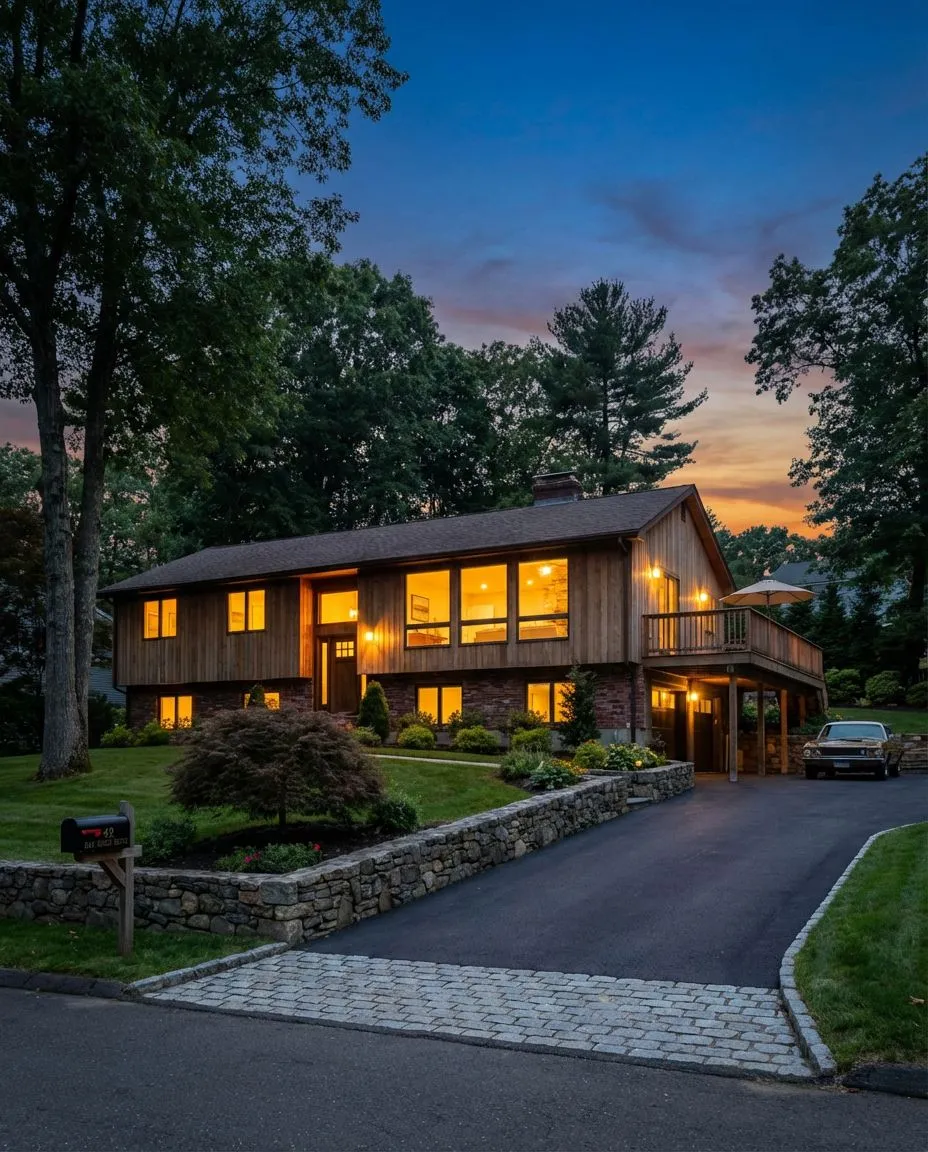
How to Choose Replacement Windows for Your Connecticut Home
If your windows fog up between the panes, stick in their frames, or let a January draft slide right across the living room, you have probably started wondering whether it is time to replace them. For Connecticut homeowners, new windows are one of the improvements you feel every day, in comfort, in quiet, and in how the house holds heat through a long winter.
This guide walks through how to think about replacement windows the way we do with homeowners across East Hampton, Glastonbury, and the surrounding towns, from knowing when it is time, to choosing frames and glass, to understanding what actually shapes the price of a project. We have kept it practical and pressure-free.
Signs it is time to replace your windows
A few windows can be repaired. Many, once they reach a certain age, are better replaced. These are the signals we tell homeowners to watch for:
- Drafts and cold spots near closed windows, or curtains that move on a windy day.
- Condensation or fog between the panes, which means the seal on a double-pane unit has failed.
- Windows that stick, sag, or will not stay open, a sign the sashes or frames are worn out.
- Rising heating and cooling bills without another clear cause.
- Rot, soft spots, or peeling around wood frames and sills.
- Outside noise that carries into the house more than it should.
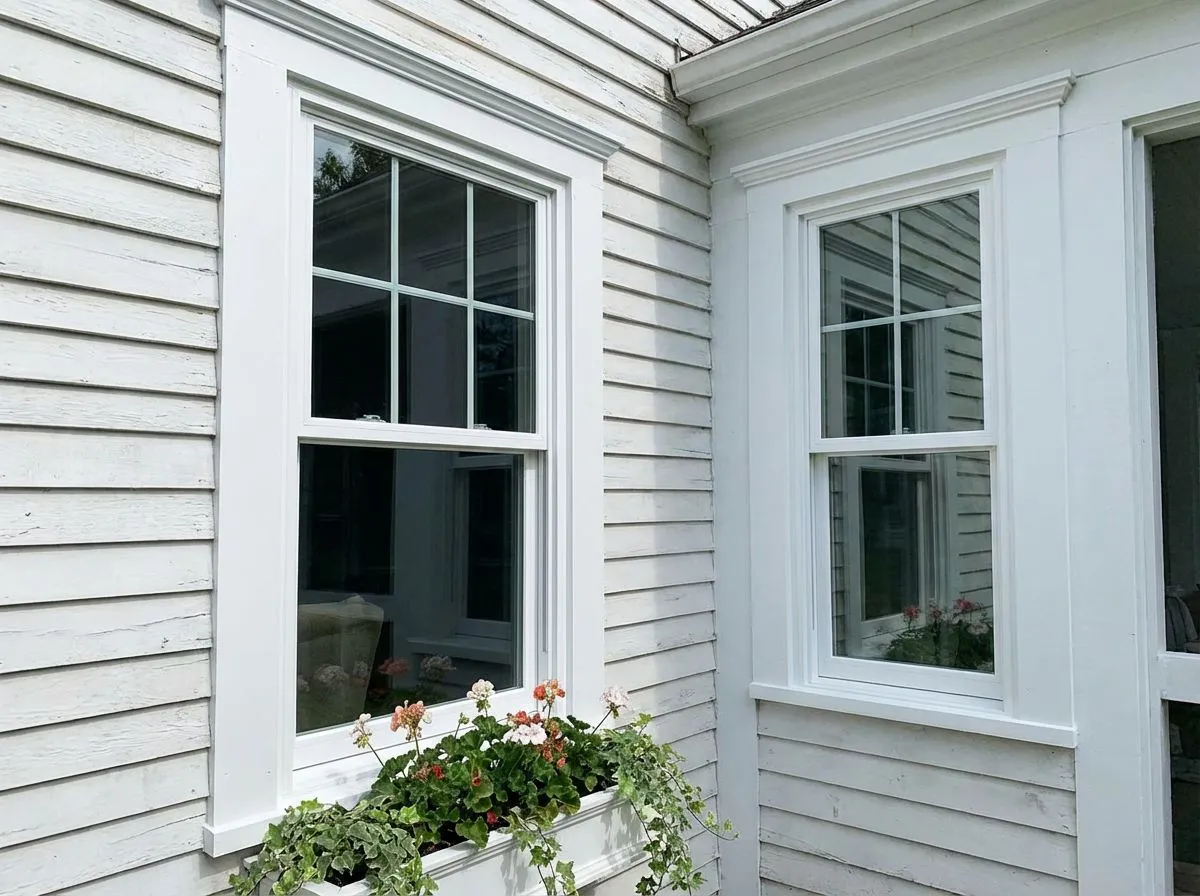
What actually shapes the cost of new windows
Homeowners almost always ask what window replacement costs, and the honest answer is that it depends on the home in front of us. Rather than a number that will not fit your project, here is what actually moves the price so you can understand your estimate when you get one:
- How many windows you are replacing, and whether they are standard sizes or custom shapes.
- Frame material, since vinyl, fiberglass, and wood sit at different price points.
- The glass package, from double to triple pane and the coatings that go with it.
- Installation type, whether the new units drop into sound existing frames or the openings need to be rebuilt.
- Trim, wrapping, and finish work inside and out, which is where a clean, lasting result is won or lost.
A good contractor will measure your actual openings, look at the condition of the frames, and give you a clear, itemized estimate. If a quote arrives without anyone measuring your home, be cautious.
Choosing a frame material
Most of the choice comes down to three materials:
Vinyl
The most popular choice for good reason. Vinyl windows are energy efficient, low maintenance, and budget friendly, and modern profiles look far better than the vinyl of twenty years ago. For most Connecticut homes, vinyl is a strong default.
Fiberglass
Stronger and more dimensionally stable than vinyl, fiberglass handles our freeze-and-thaw swings especially well and can be painted. It costs more, but it is an excellent long-term choice for homeowners who plan to stay.
Wood
Still the choice for historic and higher-end homes where the look matters. Wood offers unmatched warmth and can be clad in aluminum or vinyl on the exterior to cut down on maintenance.
Understanding energy efficiency
This is where new windows earn their keep in Connecticut. A few terms are worth knowing before you shop:
- Double vs. triple pane: two panes of glass are the standard; a third pane adds insulation and sound control, which many homeowners value through our winters.
- Low-E coatings: a microscopically thin layer that reflects heat back where you want it, warm air in during winter and solar heat out during summer.
- U-factor: how well a window insulates. Lower is better.
- ENERGY STAR for the Northern zone: look for windows rated for the northern climate zone, which is the standard that fits Connecticut.
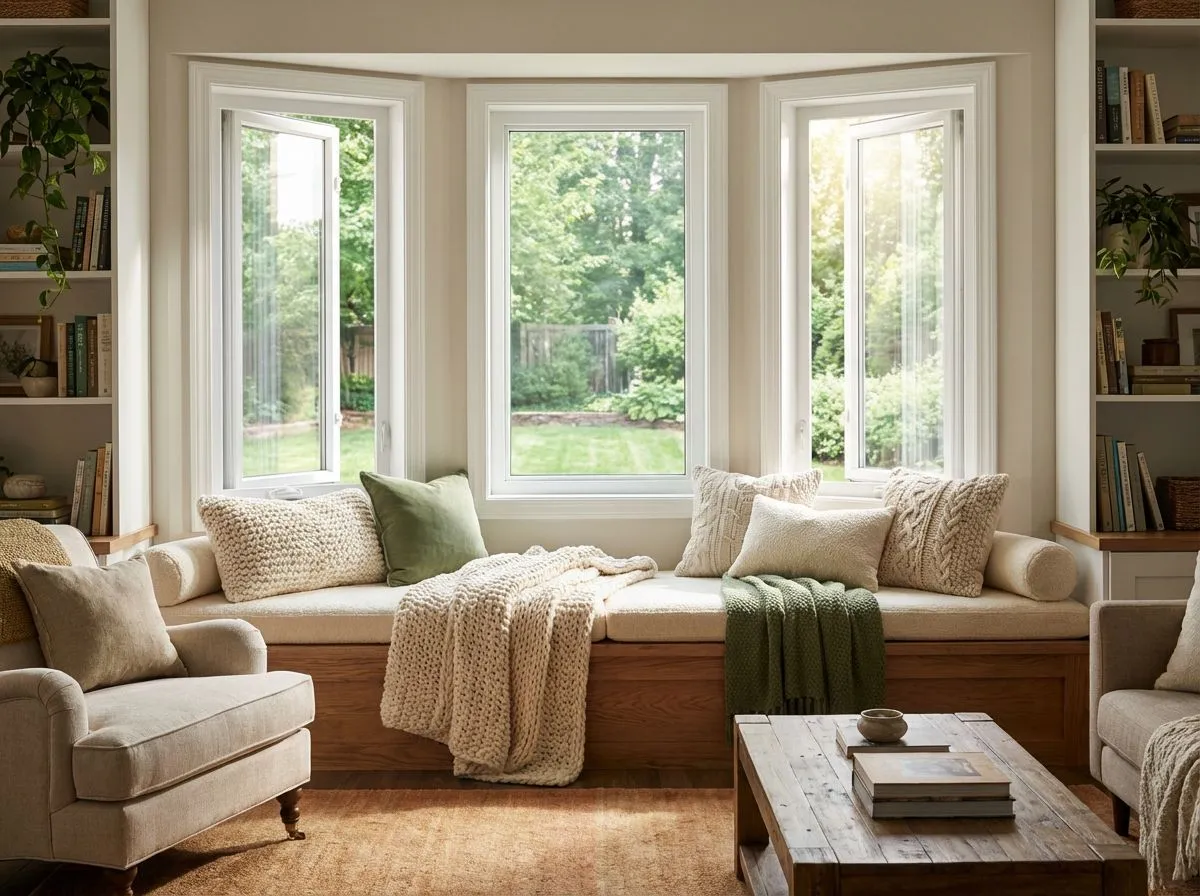
Common window styles
- Double-hung: the classic New England look, with two sashes that slide and tilt in for easy cleaning.
- Casement: hinged on the side and cranked open, offering a tight seal and great airflow.
- Sliding: a clean, simple horizontal slide, well suited to wider openings.
- Bay and bow: projecting units that add light, space, and a focal point to a room.
- Picture: a large fixed pane that maximizes the view and daylight where you do not need ventilation.
Repair or replace?
Repair can make sense for a newer window with a single failed part, or a one-off broken sash. Replacement is usually the better investment when windows are old, single pane, rotted, or failing across the whole house. If you find yourself repairing the same windows again and again, that money is often better put toward units that will perform for decades.
Talk to a local window contractor
The right windows depend on your home, your goals, and your budget, and the installation matters as much as the product. Magee Homes installs energy-efficient replacement windows and new doors for homeowners across East Hampton, Glastonbury, and central Connecticut. Learn more on our windows and doors page, or reach out for a free consultation and we will take a look at your home.
Replacement Window Questions
Common questions we hear from Connecticut homeowners weighing new windows.
They can make a real difference, especially when you are replacing old single-pane or failed double-pane units. Modern Low-E, multi-pane windows insulate far better and reduce the drafts that make a furnace work harder through a Connecticut winter.
Both are excellent. Vinyl is the efficient, low-maintenance, budget-friendly default that fits most homes. Fiberglass costs more but is stronger and handles temperature swings especially well, which makes it a great long-term choice. We help you weigh the two for your specific home.
Windows can be installed year-round. Spring and fall are popular for comfort, but professional installers replace windows one opening at a time even in colder months, so your home is never left exposed.
Yes. When a project requires permits we manage that process, and we remove and dispose of your old windows as part of the job so you are left with a clean, finished result.