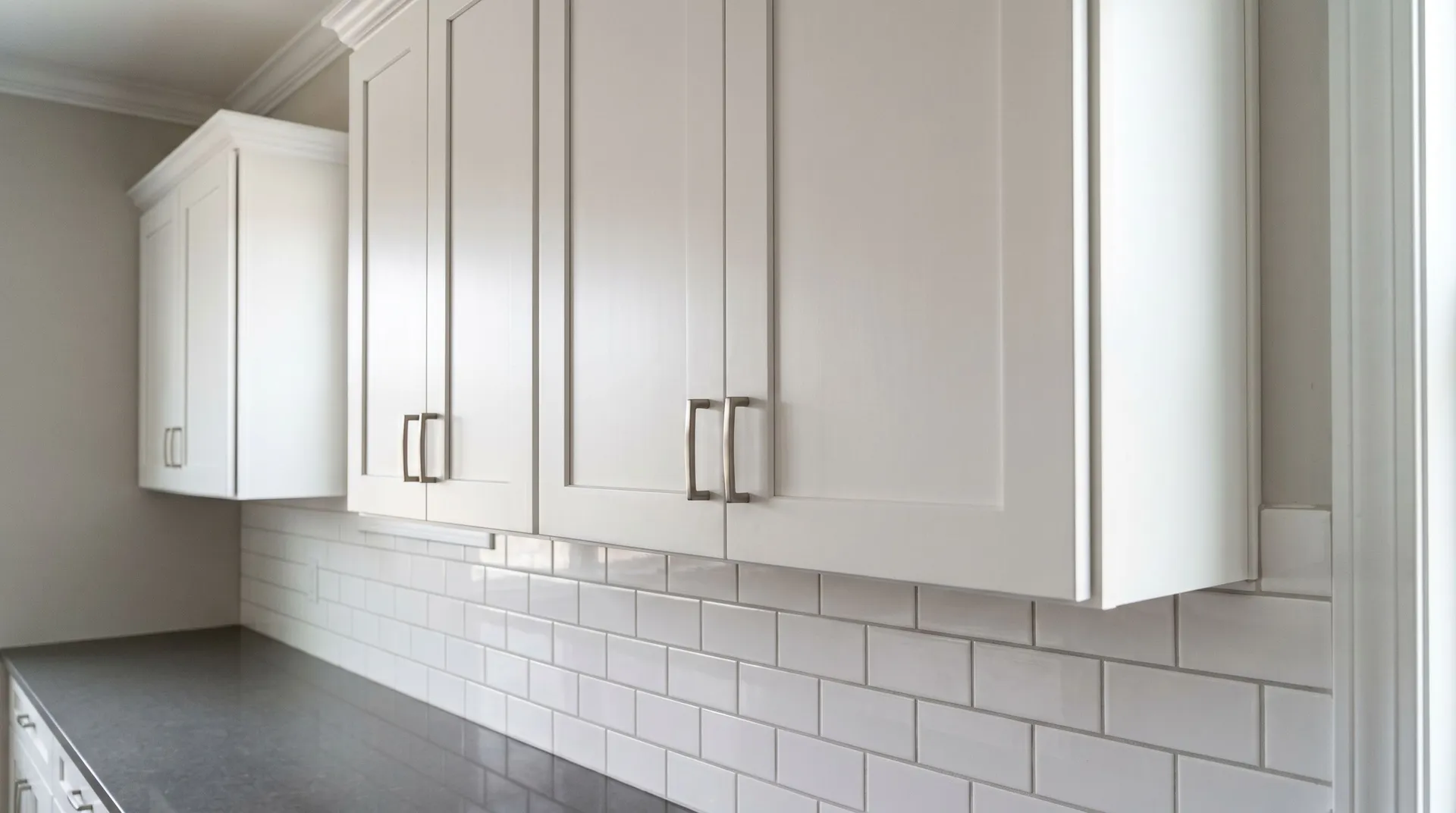
Kitchen Remodel vs. Kitchen Refresh: What’s Worth Replacing and What Can Stay?
You walk into your kitchen and something feels off. The cabinets look dated, the counters are scratched, and the whole room reads older than the rest of the house. But you are not sure whether you need to tear it all out or just update a few things. That is the right question to ask before you spend a dollar.
There is a real difference between a kitchen refresh and a full remodel, and the gap between them is usually tens of thousands of dollars. Figuring out which one your kitchen actually needs will save you money and keep you from over-building a room that only needed a few changes.
Here is how we help homeowners across East Hampton, Glastonbury, and Middletown sort out what to replace and what to leave alone.
Refresh or remodel: what is the actual difference?
A refresh updates the look of your kitchen without changing how it works. The layout stays put. The plumbing and electrical stay where they are. You are swapping finishes and surfaces. New paint, new countertops, a tile backsplash, updated lighting, cabinet hardware, maybe new appliances. The bones of the room do not move.
A remodel changes the room itself. You are moving the sink, taking out a wall, relocating the range, reworking the layout, or replacing the cabinetry. Once plumbing, gas, or framing gets involved, you are remodeling, and the cost and timeline climb with it.
A refresh in a typical Connecticut kitchen often runs a few thousand to around fifteen thousand dollars and wraps up in one to two weeks. A full remodel usually starts in the mid-twenties and goes up from there depending on size, materials, and how much you move. It takes longer too, often four to eight weeks once demolition starts. Neither one is better. The right call depends on what is actually wrong with your kitchen.
What is usually worth keeping
Before you assume everything has to go, take an honest look at what you have. Plenty of older kitchens have good parts hiding under dated finishes.
Cabinet boxes are the big one. If your boxes are solid and the layout works for how you cook, you do not need new cabinets. You need new doors, drawer fronts, and hardware, or a quality repaint. Open a door and check the box. Solid plywood or hardwood that is square and sturdy is worth saving. Crumbling particleboard, water-swollen bottoms under the sink, or boxes that flex when you push on them are not.
A layout that works is also worth keeping. If you can cook, move, and reach things without fighting the room, do not pay to relocate plumbing and gas just for a new look. Moving a sink or range is where remodel budgets balloon.
Hardwood floors usually stay. In a lot of Connecticut homes the original hardwood runs under the kitchen and can be refinished for far less than a new floor. Sometimes the smartest move is leaving the floor alone entirely and updating everything above it.
What is usually worth replacing
Some things give you a big visual change for the money, which is exactly what a refresh is built around.
Countertops are the fastest way to modernize a tired kitchen. Going from worn laminate to quartz changes the whole room and holds up for decades. Dated tile or laminate counters are almost always worth replacing.
Backsplash, lighting, and hardware do a lot of heavy lifting for a small budget. A tile backsplash, brighter under-cabinet lighting, a new faucet, and updated cabinet pulls can take a kitchen from the early 2000s to current without touching the layout.
Appliances matter if yours are failing or badly mismatched. Just measure carefully before you buy. Older kitchens were not always built for today’s wider ranges and counter-depth refrigerators.
Signs you actually need a full remodel
A refresh cannot fix a kitchen that does not function. If any of these sound familiar, you are likely looking at a remodel:
The layout fights you every day. Not enough counter space, a cramped work triangle, or a fridge door that blocks a walkway. Finishes will not fix a bad floor plan.
You want to open the kitchen to another room. Taking down a wall is real construction. In many Connecticut homes that wall is load-bearing, which means a properly sized header and sometimes a permit and inspection. This is not a weekend job and it is not a refresh.
The cabinets are shot. Sagging shelves, water damage, or boxes that are coming apart mean replacement, not refacing.
The electrical or plumbing is undersized or unsafe. Older homes around here sometimes have circuits that cannot handle modern appliances, or plumbing that needs updating once a wall is open. When we open up a kitchen mid-project, this is often what we find, and it is better to handle it while the walls are accessible.
Where the money goes
If you do move into a full remodel, here is roughly how the budget breaks down so there are no surprises. Cabinetry is usually the single largest line. Countertops, appliances, and labor follow. The expensive part is rarely the part you can see. It is the work behind the walls. Relocating plumbing, adding circuits, reframing an opening, and patching plaster all add cost without changing how the finished kitchen looks. That is exactly why we tell homeowners to keep the layout if it works. Every fixture you do not move is money that goes into finishes you will actually see and use.
The middle path most people miss
You do not have to choose between a coat of paint and a gut renovation. A lot of the best results we deliver land in the middle. Keep the cabinet boxes and the layout, replace the doors and counters, add a backsplash, update the lighting, and swap the sink and faucet. The room looks brand new and you never paid to move a single pipe.
The trick is knowing which pieces to keep. That takes an experienced eye on the actual kitchen, not a guess from a photo. We walk the room, check the boxes, look at what is behind the cabinets where we can, and tell you straight whether a refresh will get you there or whether you are better off remodeling.
Not sure which one your kitchen needs?
That is normal, and it is the right time to call. We will look at your kitchen, tell you honestly what is worth keeping, and give you a straightforward estimate with no pressure. Take a look at our recent kitchen projects to see the range, learn more about our kitchen remodeling services, or schedule a free consultation and we will walk through your options together.
Frequently asked questions
How much does a kitchen refresh cost compared to a full remodel? A refresh in a typical Connecticut kitchen usually runs from a few thousand dollars up to around fifteen thousand, depending on whether you are replacing countertops and appliances. A full remodel generally starts in the mid-twenties and climbs based on size, materials, and how much of the layout you change. The biggest cost driver is whether you move plumbing, gas, or walls.
Can I keep my existing cabinets and still update the look? Often, yes. If the cabinet boxes are solid and the layout works, you can replace the doors, drawer fronts, and hardware or repaint them for a fraction of the cost of new cabinetry. We check the condition of the boxes first, since water damage or failing particleboard usually means replacement is the better long-term call.
How long does a kitchen remodel take? A refresh typically takes one to two weeks. A full remodel usually runs four to eight weeks once demolition starts, longer if you are moving the layout or opening up a wall. Older homes can add time when we find electrical or plumbing that needs updating behind the walls.
Do I need a permit to remodel my kitchen in Connecticut? You generally do not need a permit for cosmetic work like new countertops, paint, or a backsplash. You do need permits for electrical and plumbing changes and for structural work like removing a wall. As a licensed contractor, we handle the permits and inspections so the work is done to code.
Is it worth remodeling my kitchen before selling? A targeted refresh usually returns more than a full remodel when you are selling soon. Updated countertops, lighting, and hardware show well without the cost of moving the layout. If you plan to stay several more years, a full remodel makes more sense because you get to enjoy it and still recover value later.